Leadership
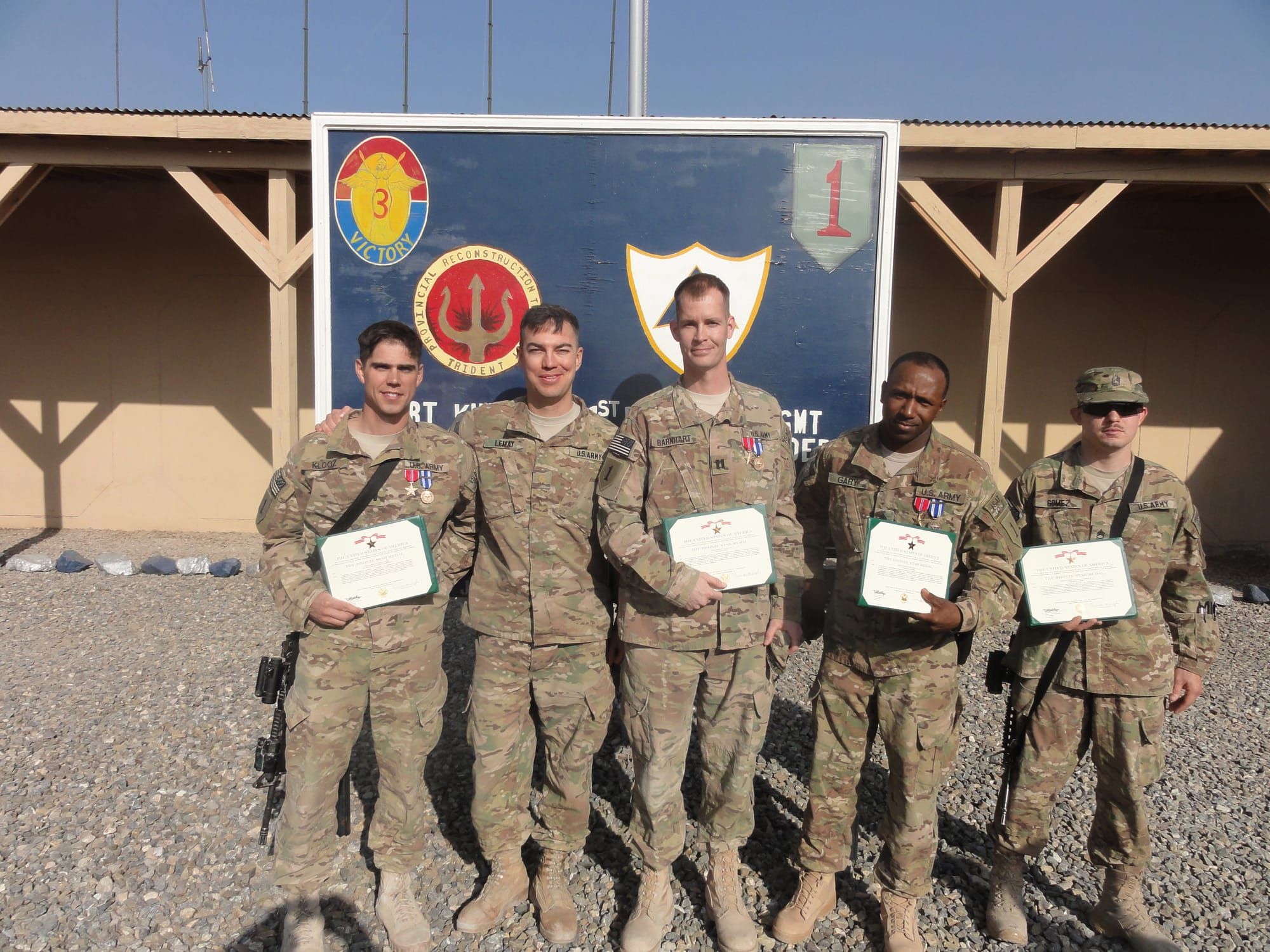
Leading People, Building Teams, and Stewarding Mission
I served 25 years and seven months as a United States Army infantry officer, retiring as a lieutenant colonel. Across that career, I led organizations ranging from 31 soldiers to more than 4,200 people; served in four combat tours in Iraq and Afghanistan; worked in multinational, interagency, and cross-cultural environments; and carried responsibility for personnel, families, budgets, equipment, strategy, and mission execution.
The military and the church are profoundly different institutions. Pastoral leadership is spiritual, relational, and grounded in Scripture rather than command authority. Yet my Army experience formed habits that I believe are valuable in ministry: caring for people, developing leaders, clarifying mission, building healthy teams, stewarding resources, communicating under pressure, listening to trusted advisers, and remaining accountable for the health and effectiveness of an organization.
My Approach to Leadership
I believe Scripture presents two closely related forms of Christian leadership: stewardship and service.
Steward What God Entrusts
Christian leaders are stewards before God. Our time, talents, relationships, responsibilities, and material resources ultimately belong to him. Leadership therefore requires faithfulness, accountability, wisdom, and disciplined care for whatever God has placed in our hands.
Throughout my Army career, I sought to practice this kind of stewardship by caring responsibly for the soldiers, missions, equipment, time, and resources entrusted to me. The scale of the responsibility changed from assignment to assignment, but the obligation remained the same: understand the mission, use resources wisely, develop people, protect what had been entrusted to the organization, and remain accountable for the results.
Serve the People Around Us
Christian leaders are also servants toward their neighbors. We use the time, talents, authority, experience, and resources God has entrusted to us for the good of others.
In the Army, this meant serving the soldiers I led, supporting my peers, and helping my commanders succeed. It required listening, developing subordinate leaders, creating healthy teams, communicating clearly, sharing hardship, and remaining present when people faced pressure, danger, loss, or transition. Authority was never meant simply to benefit the person who held it; it existed to accomplish the mission and care for the people carrying it out.
Equip Others to Lead and Serve
Stewardship and service come together in the development of others. I do not believe effective leaders should personally control every activity or make themselves indispensable. They should identify people’s gifts, provide clear purpose and responsibility, offer coaching and support, and create opportunities for others to grow.
This conviction shaped my military leadership and now shapes my approach to ministry. Healthy churches are strengthened when pastors, elders, staff members, and volunteers understand their responsibilities, trust one another, and use their gifts together in service to Christ and their neighbors.
Lead with Clarity, Care, and Accountability
Leaders must clarify mission, build trust, steward resources carefully, and care for people personally. They must also remain humble enough to listen, willing to receive correction, and accountable for both the culture and the effectiveness of the organizations they lead.
The church is not the Army, and pastoral leadership does not rest on rank or command authority. It depends upon Scripture, character, prayer, persuasion, trust, service, and genuine love for people. Yet the central leadership lesson I learned in the Army remains relevant: faithfully steward what has been entrusted to you, and use it to serve others.
Leadership Experience
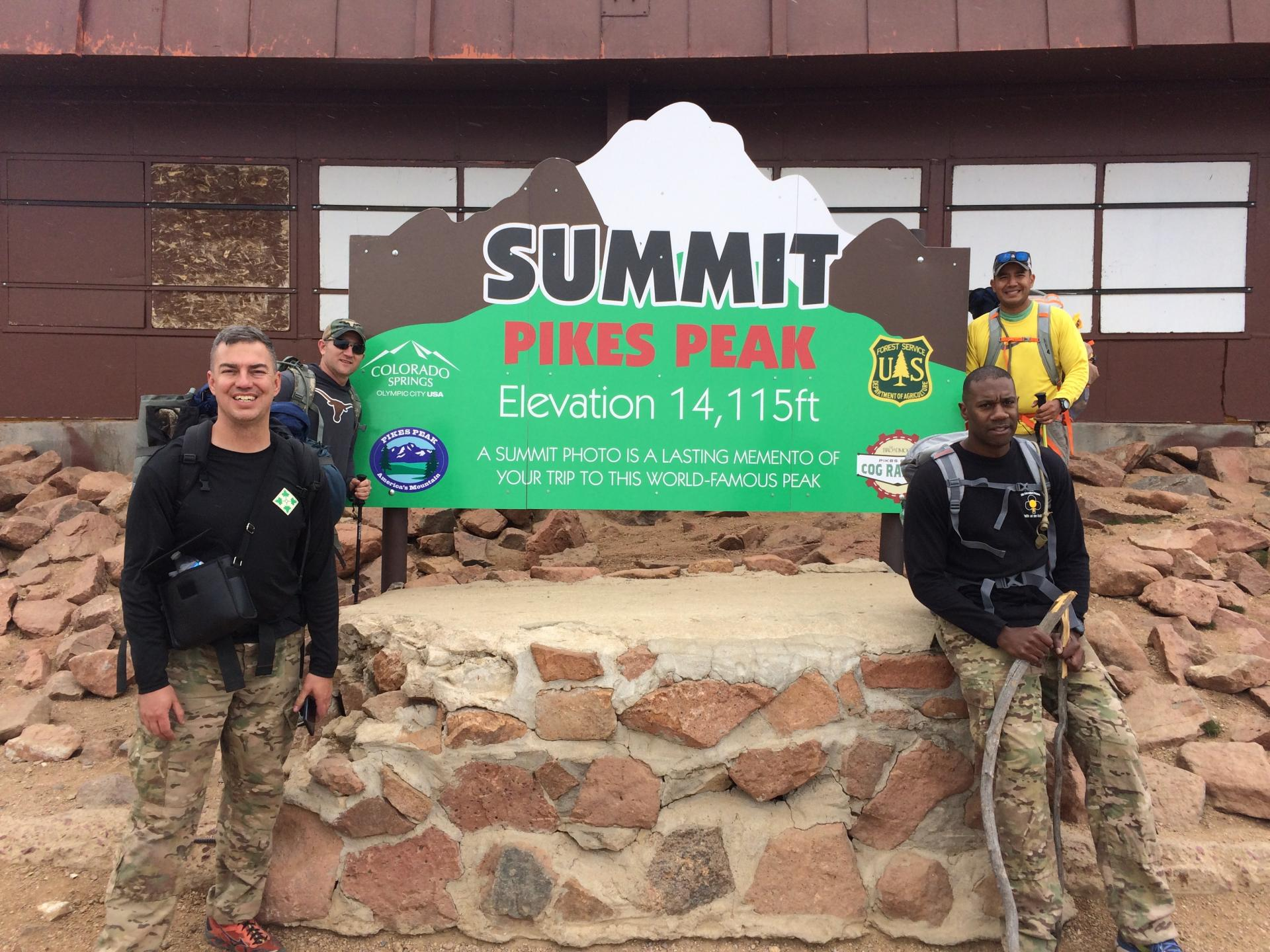
Equal Opportunity Program Manager | 4th Infantry Division & Fort Carson
Organizational Culture and Senior Leadership Adviser
June 2017–December 2018 | Fort Carson, Colorado
I led the Equal Opportunity Program for the 4th Infantry Division and Fort Carson, serving approximately 68,000 military and civilian personnel. I advised senior leaders, supervised professional staff, assessed organizational culture, and addressed concerns involving dignity, fairness, respect, and trust.
I am a Department of Defense–certified mediator and a Distinguished Graduate of the Defense Equal Opportunity Management Institute.
Ministry relevance: Staff health, confidentiality, conflict navigation, cultural awareness, unity, organizational trust, and wise counsel to elders and senior leaders.
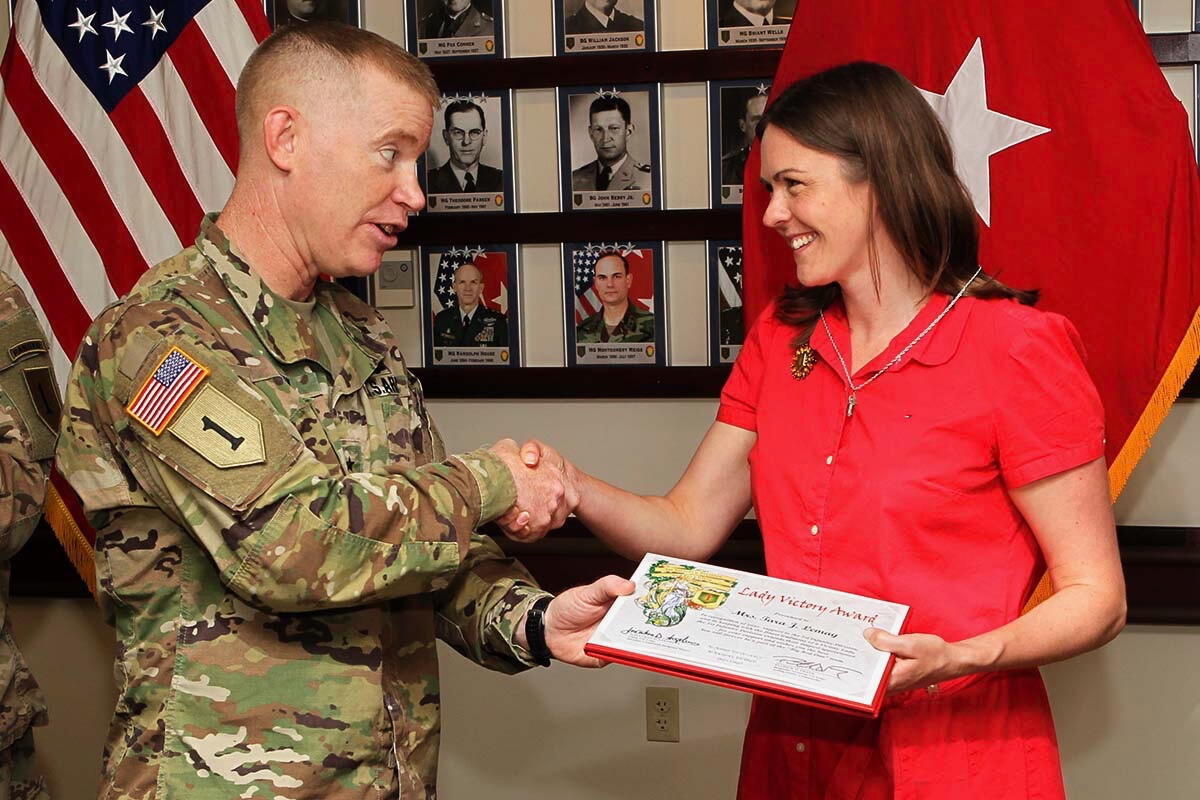
Chief of Plans & Chief of Engagements | 1st Infantry Division & Fort Riley
Strategic Planning and Community Engagement Director
December 2016–June 2017 | Fort Riley, Kansas
I directed long-range planning while coordinating the division’s relationships with civic leaders, community organizations, and the American public.
I helped develop the 1st Infantry Division and Fort Riley Campaign Plan 2025, connecting daily activity to long-term priorities, and established a structured process for planning and assessing senior-leader engagements.
Ministry relevance: Communicating mission and values, strategic planning, community relationships, coordinating staff and volunteers, and guiding a congregation through major transitions.
Deputy Brigade Commander & Chief of Plans | 2nd Brigade, 4th Infantry Division & TAAC-S
Executive-Level Deputy and Strategic Planning Lead
April 2016–November 2016 | Kandahar, Afghanistan
I served as second-in-command of a 4,200-soldier brigade during combat operations while also leading long-range planning for Train, Advise, and Assist Command–South.
I supervised senior staff leaders, supported organizational health and morale, and worked with Afghan, Australian, Bulgarian, Romanian, and American partners to align plans across cultural and organizational boundaries.
Ministry relevance: Supporting senior leaders, supervising staff, developing department heads, sustaining unity under pressure, cross-cultural ministry, and moving an organization from vision to execution.
Chief of Plans | 1st Infantry Division & Fort Riley
Director of Strategy and Organizational Planning
July 2015–March 2016 | Fort Riley, Kansas
I led a 15-person multinational planning team responsible for analyzing complex challenges, developing practical courses of action, and aligning daily operations with long-term objectives.
The role required disciplined thinking, cross-department collaboration, clear communication, and the humility to receive criticism and revise plans.
Ministry relevance: Annual ministry planning, aligning programs with mission, coordinating across departments, anticipating future needs, and helping elders and staff make thoughtful decisions.
Deputy Operations Officer | Combined Joint Forces Land Component Command – Iraq
Deputy Director of Operations for a Multinational Organization
September 2014–June 2015 | Baghdad, Iraq
I served as Deputy Operations Officer for a multinational headquarters coordinating operations against ISIS and helped lead a 65-person staff drawn from multiple U.S. military services and coalition nations.
I improved staff systems, strengthened coordination, and helped build a cohesive team able to work across cultural and professional differences under sustained pressure.
Ministry relevance: Leading diverse staff teams, coordinating multiple ministries, building trust across differences, improving organizational systems, and keeping daily work aligned with the church’s mission.
Chief of Plans | Multi-National Task Force
Strategic Planning Director
January 2014–August 2014 | Vicenza, Italy
I led planning for a multinational task force preparing a 24-week training program for 8,000 Libyan personnel in Bulgaria. The effort required coordination across nations, government agencies, logistics, and financial systems.
This role reinforced the importance of understanding stakeholders, defining clear outcomes, sequencing work realistically, and ensuring that resources serve the mission.
Ministry relevance: Complex project planning, facility transitions, launching new ministries, coordinating external partners, and aligning resources with mission priorities.
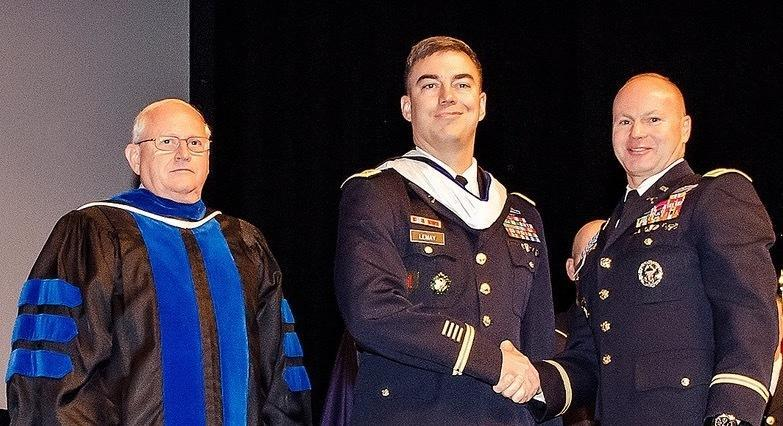
Student | School of Advanced Military Studies
Graduate Study in Organizational Strategy and Complex Problem-Solving
January 2013–December 2013 | Fort Leavenworth, Kansas
I completed advanced graduate study in operational design, organizational planning, history, and strategic thinking.
The program strengthened my ability to question assumptions, resist simplistic answers, understand organizations within their larger environment, and develop adaptable plans.
Ministry relevance: Strategic discernment, thoughtful decision-making, leading through complexity, understanding congregational systems, and distinguishing enduring mission from temporary methods.
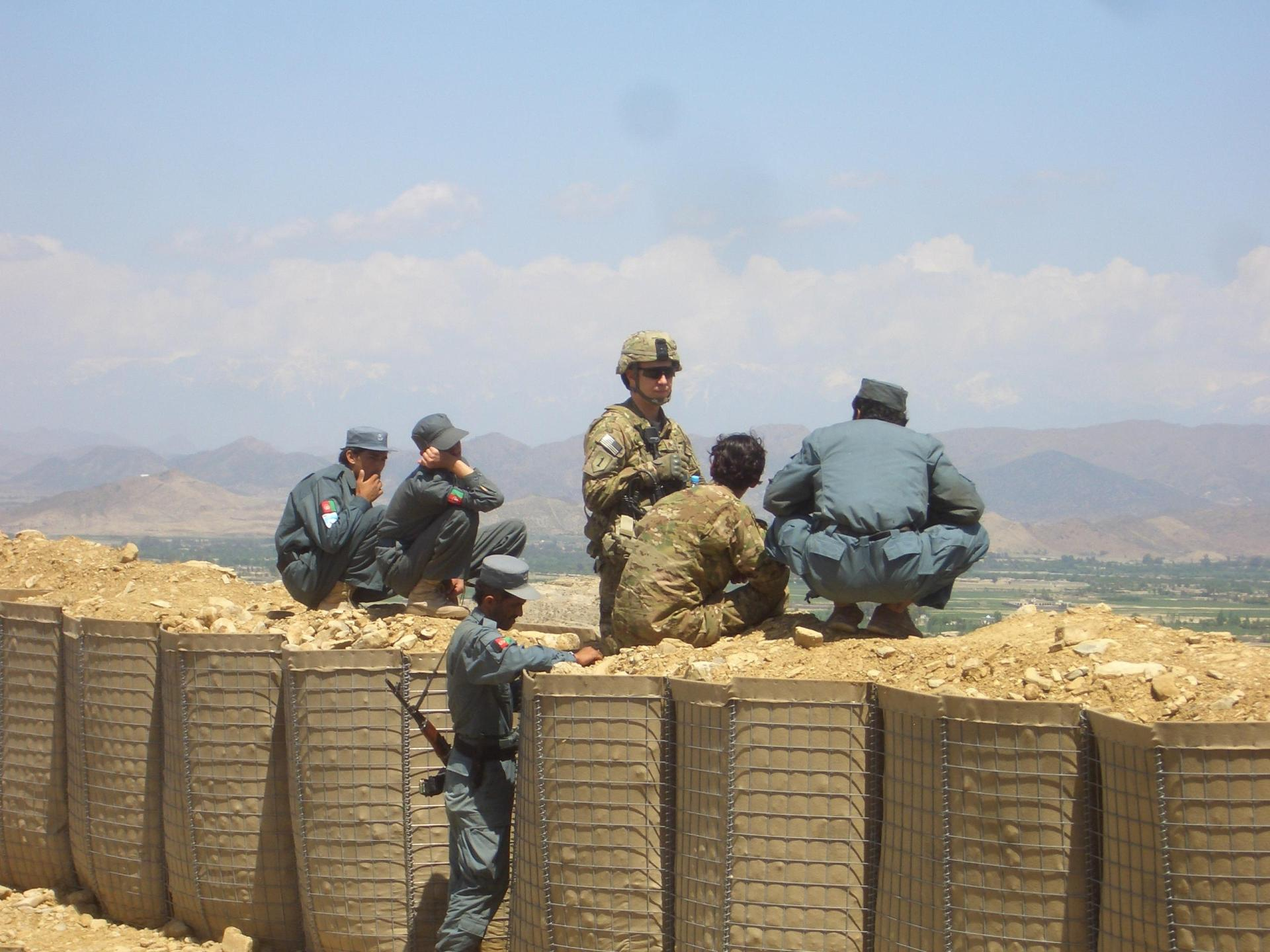
Battalion Executive Officer | 1st Battalion, 26th Infantry Regiment
Chief of Staff and Second-in-Command
July 2011–December 2012 | Fort Knox, Kentucky, and Khost, Afghanistan
I served as second-in-command and chief of staff for an infantry battalion of more than 1,100 soldiers during and after a combat deployment.
I supervised personnel, logistics, maintenance, medical support, family readiness, and daily operations, including systems supporting approximately $250 million in equipment and the movement of more than eight million pounds of supplies.
The central responsibility was caring for soldiers and families through danger, separation, fatigue, injury, loss, and reintegration.
Ministry relevance: Supervising church staff, building healthy administrative systems, caring for congregants and families, stewarding finances and facilities, and sustaining organizational health during demanding seasons.
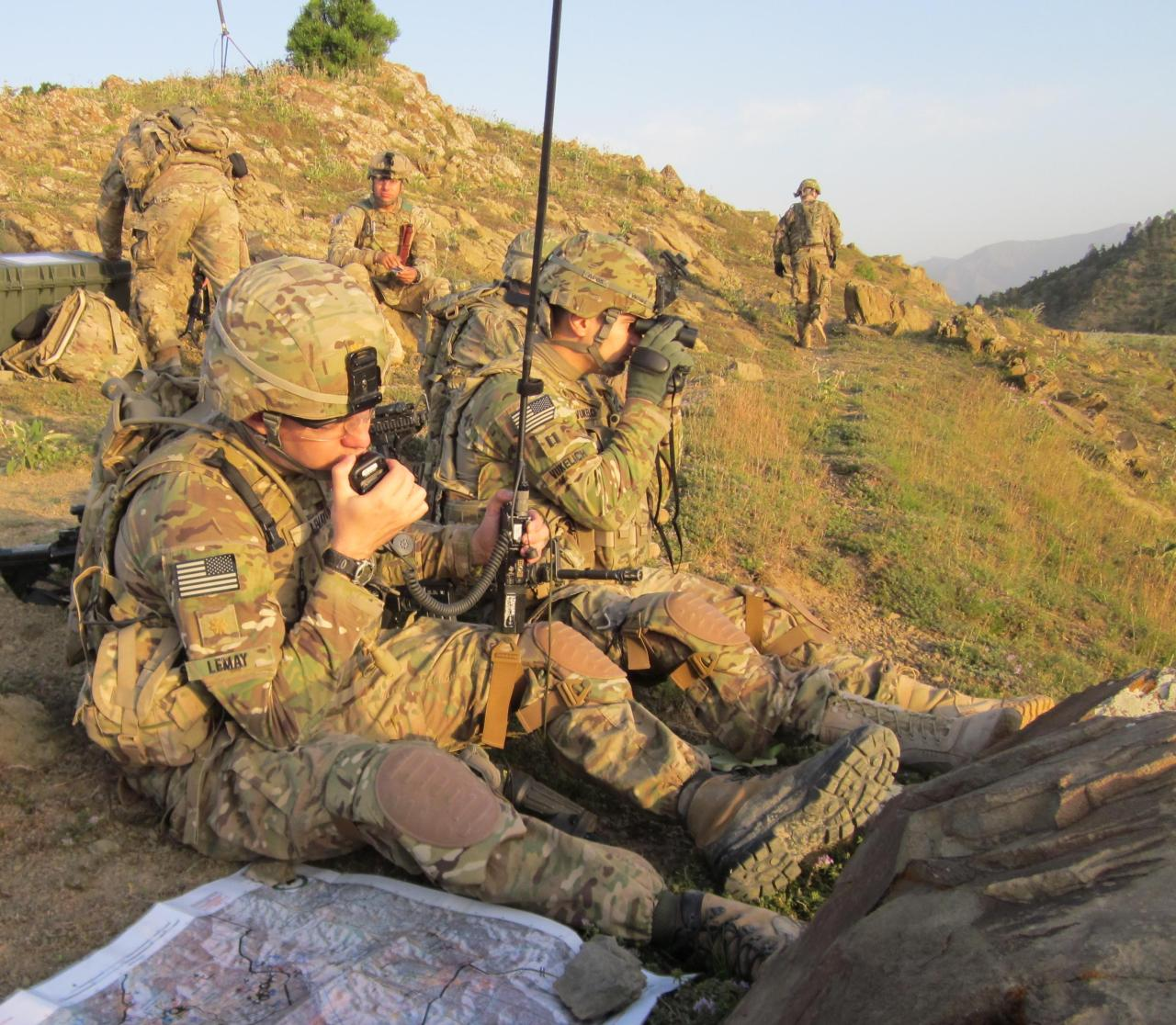
Battalion Operations Officer | 1st Battalion, 26th Infantry Regiment
Director of Operations
June 2010–June 2011 | Fort Knox, Kentucky, and Khost, Afghanistan
I served as Operations Officer for a battalion of more than 1,100 soldiers during a year-long deployment to Afghanistan, leading a 30-person operations section and coordinating activity across multiple subordinate organizations.
The role required constant prioritization, rapid communication, sound judgment with incomplete information, and coordination with civilian agencies and local partners on community infrastructure projects.
Ministry relevance: Weekly ministry coordination, staff rhythms, crisis response, balancing immediate demands with long-term priorities, and partnering with community organizations.
Student | Command and General Staff College
Graduate Study in Organizational Leadership and Planning
September 2009–May 2010 | Fort Leavenworth, Kansas
I completed graduate-level study in leadership, organizational planning, history, and strategic problem-solving, earning a Master of Military Art and Science.
The program strengthened my ability to guide organizations through competing priorities, limited resources, and changing conditions.
Ministry relevance: Senior leadership, organizational assessment, staff development, decision-making, and aligning multiple ministry functions around shared goals.
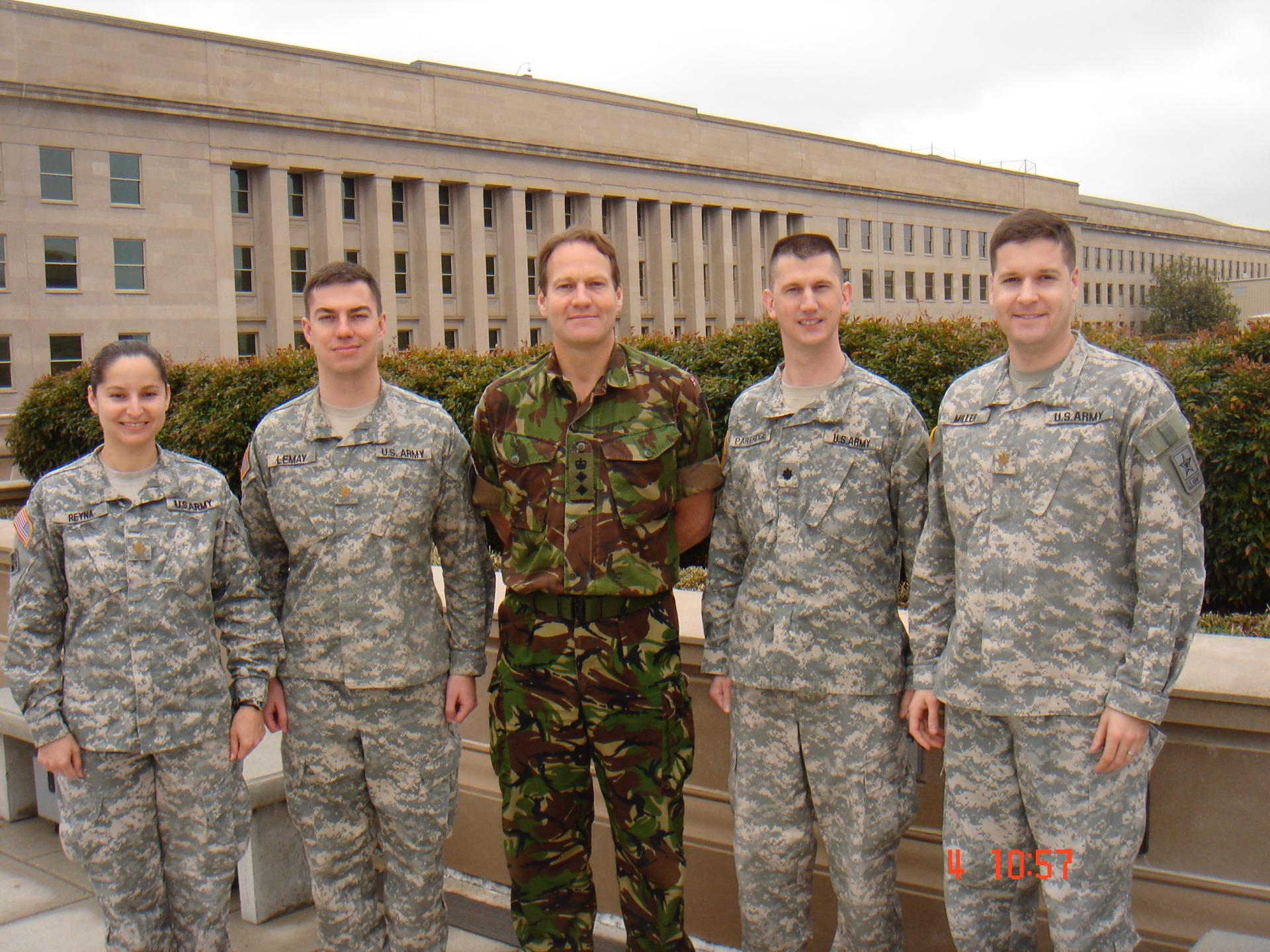
Stability Operations Planner | The Pentagon
National-Level Policy and Strategy Planner
January 2007–August 2009 | Washington, D.C.
I served in the Strategy, Plans, and Policy Directorate at Headquarters, Department of the Army, helping develop Army-level policy for stability operations, irregular warfare, and security-force assistance.
The role required research, persuasive writing, collaboration across major institutions, and translating broad strategic goals into practical organizational guidance. During this assignment, I also completed a graduate degree in Peace Operations at George Mason University.
Ministry relevance: Policy development, governance, clear communication of complex ideas, collaboration with boards and committees, and translating theological convictions into practical guidance.
Brigade Liaison Officer | 4th Infantry Division & 101st Airborne Division
Senior Organizational Liaison
December 2005–December 2006 | Iraq
I served as the primary liaison between the 172nd Stryker Brigade Combat Team and two division headquarters during combat operations, representing the brigade to senior leaders while communicating higher-level priorities and decisions back to the organization. The role required trust, discretion, clear communication, and the ability to advocate without becoming adversarial.
Ministry relevance: Communicating across elders, staff, ministries, and congregation; representing differing perspectives faithfully; reducing misunderstanding; and helping leaders remain aligned.
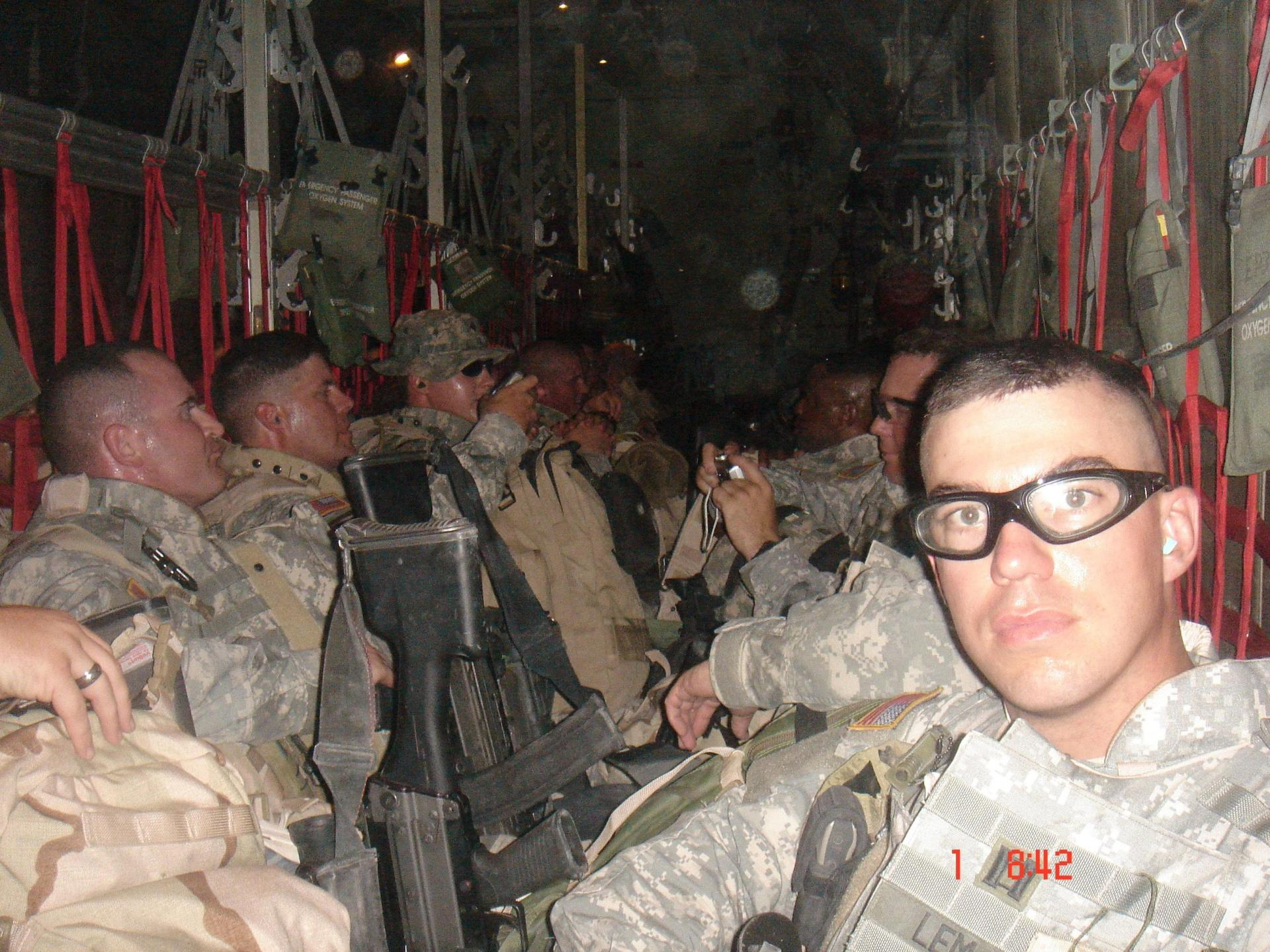
Commander, Headquarters Company | 172nd Stryker Brigade Combat Team
Organizational Leader and Base Operations Director
July 2004–November 2005 | Fort Wainwright, Alaska, and Mosul, Iraq
I commanded a 254-soldier headquarters company and deployed with the unit to Iraq. In Mosul, I also served as the “mayor” of Forward Operating Base Courage, overseeing facilities, logistics, maintenance, safety, and support for approximately 3,000 soldiers and civilians from 33 organizations during repeated attacks on the base.
Ministry relevance: Facility stewardship, operational leadership, coordinating multiple ministries and partners, staff care, emergency preparedness, and creating an environment in which others can serve effectively.
Infantry Company Commander | Charlie Company, 2nd Battalion, 1st Infantry Regiment
Primary Leader of a 130–171-Person Organization
December 2002–June 2004 | Fort Wainwright, Alaska
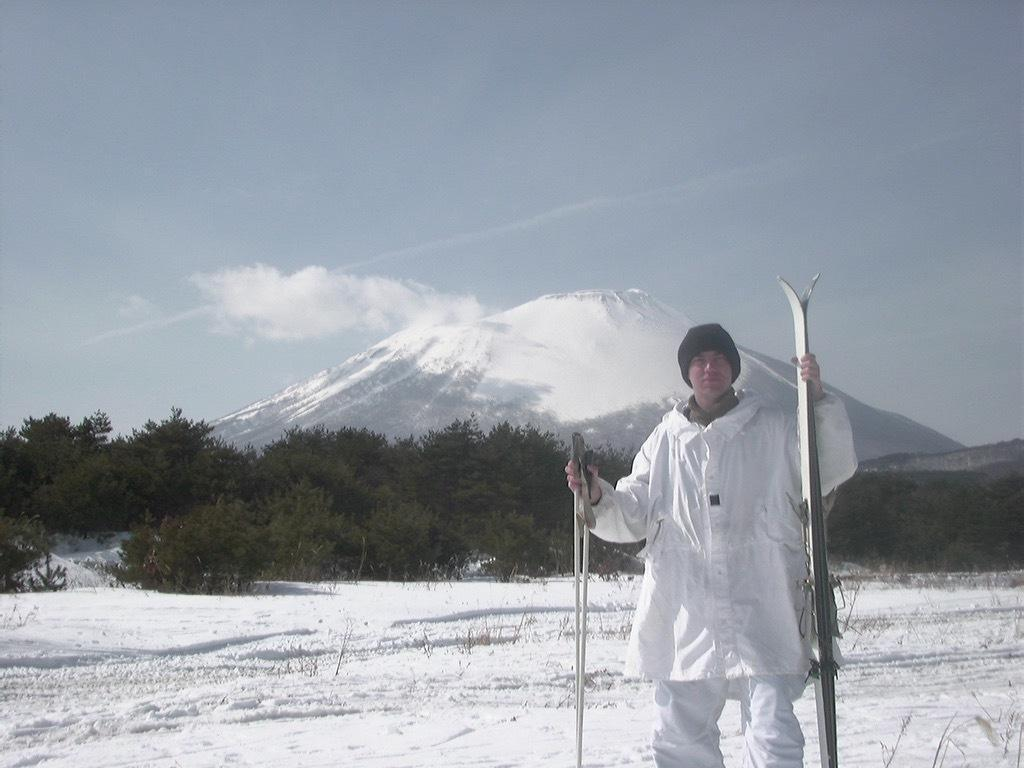
I commanded an infantry company that grew from approximately 130 to 171 soldiers while transitioning to a new organizational structure and equipment. I was responsible for mission, culture, training, discipline, leader development, personnel care, and stewardship of more than $10 million in equipment.
Ministry relevance: Leading through change, developing staff and volunteers, building team culture, establishing expectations, and caring for people while pursuing shared goals.
Brigade Training Officer | 172nd Separate Infantry Brigade
Training and Program Development Officer
December 2001–December 2002 | Fort Wainwright, Alaska
I coordinated training resources, schedules, facilities, ranges, and ammunition across a large brigade, balancing competing requests and aligning limited resources with organizational priorities while maintaining safety and effectiveness.
Ministry relevance: Leadership development, volunteer training, ministry calendars, facility scheduling, and ensuring that programs support rather than compete with the church’s mission.
Infantry Captains Career Course | United States Army Infantry School
Advanced Professional Leadership Education
August 2001–December 2001 | Fort Benning, Georgia
I completed advanced leadership and staff training that strengthened my ability to plan, coordinate across organizational functions, lead teams, and communicate clearly in demanding environments.
Ministry relevance: Continuing education, teachability, disciplined preparation, and the conviction that leaders must remain learners.
Aide-de-Camp | Assistant Division Commander, 24th Infantry Division
Executive Assistant to a Senior Organizational Leader
September 2000–July 2001 | Fort Riley, Kansas
I served directly for an Army general officer, supporting his schedule, travel, communication, and senior-level engagements. The role gave me close exposure to executive decision-making and taught me the value of preparation, discretion, anticipation, and protecting a senior leader’s time.
Ministry relevance: Senior-pastor support, board preparation, confidentiality, prioritization, and organizing work so leaders can focus on their highest responsibilities.
Executive Officer | Headquarters Company, 1st Battalion, 41st Infantry
Second-in-Command and Operations Manager
May 2000–September 2000 | Fort Riley, Kansas
I served as second-in-command of a headquarters company supporting approximately 340 soldiers, 140 vehicles, and more than $41 million in equipment, coordinating maintenance, logistics, accountability, and support systems that enabled other teams to accomplish their work.
Ministry relevance: Administrative leadership, stewardship, operational support, and building dependable systems behind visible ministry.
Executive Officer | Alpha Company, 1st Battalion, 41st Infantry
Second-in-Command and Operations Manager
July 1999–April 2000 | Fort Riley, Kansas
I served as second-in-command of a 105-soldier company, managing personnel, logistics, maintenance, and accountability while helping prepare the organization for a demanding training rotation. The role taught me how a trusted deputy supports a primary leader, follows through on decisions, and turns direction into coordinated action.
Ministry relevance: Supporting senior leaders, executing decisions faithfully, supervising details, and preparing teams to carry out their mission.
Support Platoon Leader | Headquarters and Headquarters Company, 2nd Battalion, 9th Infantry
Logistics Team Leader
January 1999–June 1999 | Camp Casey, Korea
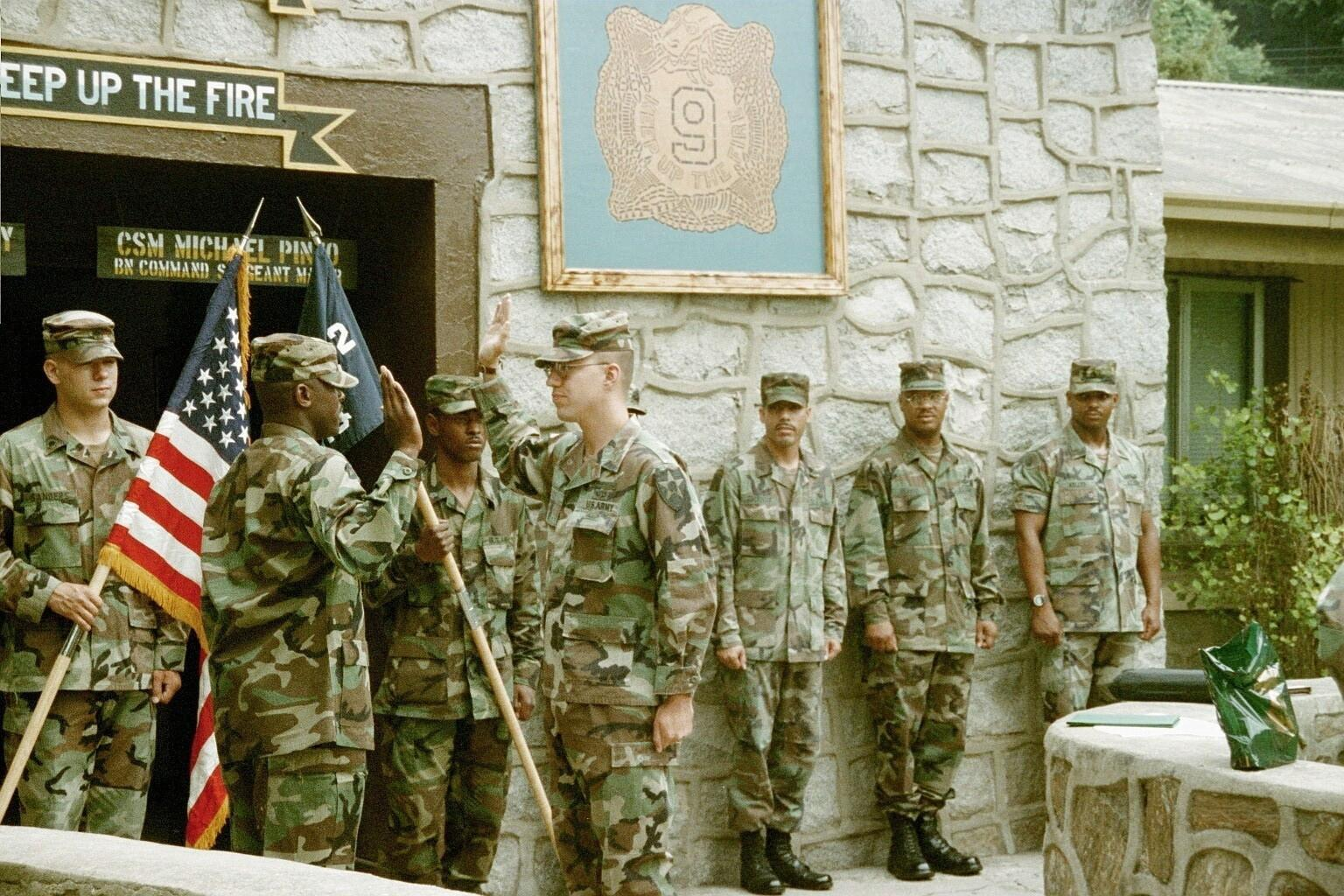
I led a 56-soldier support platoon responsible for transporting fuel and ammunition and served as the battalion ammunition manager, earning the highest possible rating during a Department of Defense explosives-safety inspection.
Ministry relevance: Safety, stewardship, regulatory compliance, logistical support, attention to detail, and managing important resources without allowing administration to overshadow mission.
Infantry Platoon Leader | 3rd Platoon, Alpha Company, 2nd Battalion, 9th Infantry
Frontline Team Leader
June 1998–December 1998 | Camp Casey, Korea
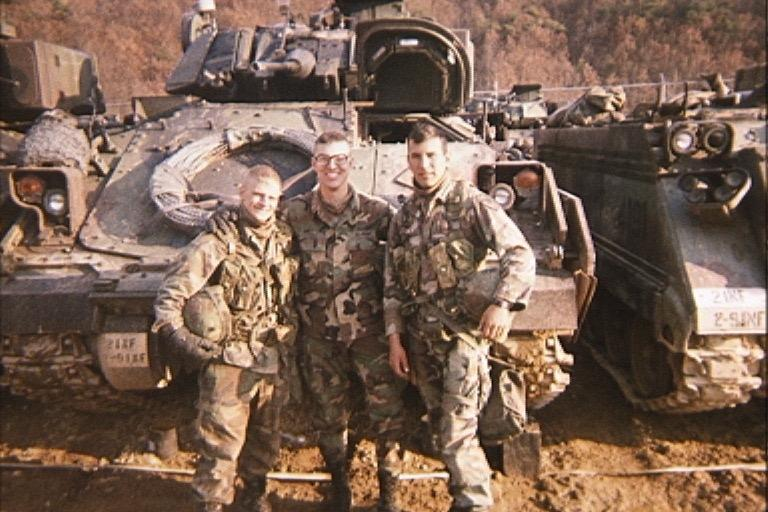
I led a 31-soldier platoon of American soldiers and Korean Augmentees to the U.S. Army, with responsibility for their training, development, readiness, and well-being. The role taught me to know my people, lead by example, communicate across cultures, and accept responsibility for both success and failure.
Ministry relevance: Relational leadership, cross-cultural awareness, developing emerging leaders, and earning trust through presence, example, and accountability.
Infantry Officer Basic Course | United States Army Infantry School
Foundational Leadership Training
June 1997–May 1998 | Fort Benning, Georgia
I completed the Infantry Officer Basic Course along with Airborne, Ranger, and Bradley Leaders training. Ranger School especially taught me to lead under exhaustion, pressure, and discomfort, with the enduring lesson that resilience matters most when it enables disciplined service to the team.
Ministry relevance: Perseverance, disciplined preparation, resilience, self-awareness, and continuing to serve others during demanding seasons.
Cadet | United States Military Academy
Undergraduate Leadership Formation
June 1993–May 1997 | West Point, New York
I earned a Bachelor of Science in Electrical Engineering at the United States Military Academy, where academic study, physical development, ethical formation, military training, and progressive leadership responsibility laid the foundation for a career centered on duty, character, service, and accountability.
Ministry relevance: Disciplined study, personal integrity, lifelong formation, service to something larger than oneself, and the conviction that authority carries an obligation to serve.
Leadership Beyond the Army
Founder & Owner | The Basement War Room
Founder, Teacher, and Digital Content Creator
January 2019–December 2021 | Colorado Springs, Colorado
I created and produced an original video series examining the war in Afghanistan through the writings of Sun Tzu and Thucydides. The project required research, curriculum design, writing, visual communication, video production, and translating complex ideas into accessible teaching.
Ministry relevance: Sermon preparation, adult education, digital ministry, visual storytelling, clear communication, and developing projects from concept through execution.
Master of Divinity Student | Denver Seminary
Theological and Pastoral Formation
January 2022–May 2026 | Littleton, Colorado
I completed a Master of Divinity focused on Scripture, theology, preaching, pastoral care, and ministry leadership. This season helped me discern where military leadership transfers appropriately into ministry—and where it does not. Pastoral leadership depends not on rank, but on biblical character, spiritual authority, persuasion, trust, service, prayer, and genuine love for people.
Ministry relevance: Bringing maturity, discipline, strategic judgment, care for people, and leader development into ministry while leading in a manner shaped by Christ and Scripture.
A Leadership Calling Redirected Toward the Church
I do not see my military career as separate from ministry. I see it as one part of God’s preparation for the work of preaching, shepherding, developing leaders, stewarding an organization, and serving the church.
The Army taught me how to carry responsibility. Seminary and ministry have continued teaching me how that responsibility must be transformed by the character of Christ.
My desire is to lead with conviction without pride, clarity without harshness, courage without recklessness, and authority expressed through service.